

Monteverdi’s Orfeo
Friday, May 29, 2026 and
Saturday, May 30, 2026 at 7:30PM
Zilkha Hall, The Hobby Center for the Performing Arts (800 Bagby St, Google Maps)
There is perhaps no better operatic subject matter than Orpheus, whose exceptional singing melts the hearts of the living and the dead. Claudio Monteverdi’s Orfeo stands at the head of a long list, and not just because of its early date. Together with librettist Alessandro Striggio, Monteverdi created in 1607 the first great opera. Its vivid recitative, toe-tapping arias, lavish accompaniments, and potent dramatic arc breathe life into his era’s revolutionary ideas about musical expression. Ars Lyrica’s new production, a collaboration with the New York Baroque Dance Company, is directed and choreographed by its Artistic Director Catherine Turocy and conducted by ALH Artistic Director Matthew Dirst.
Cast:
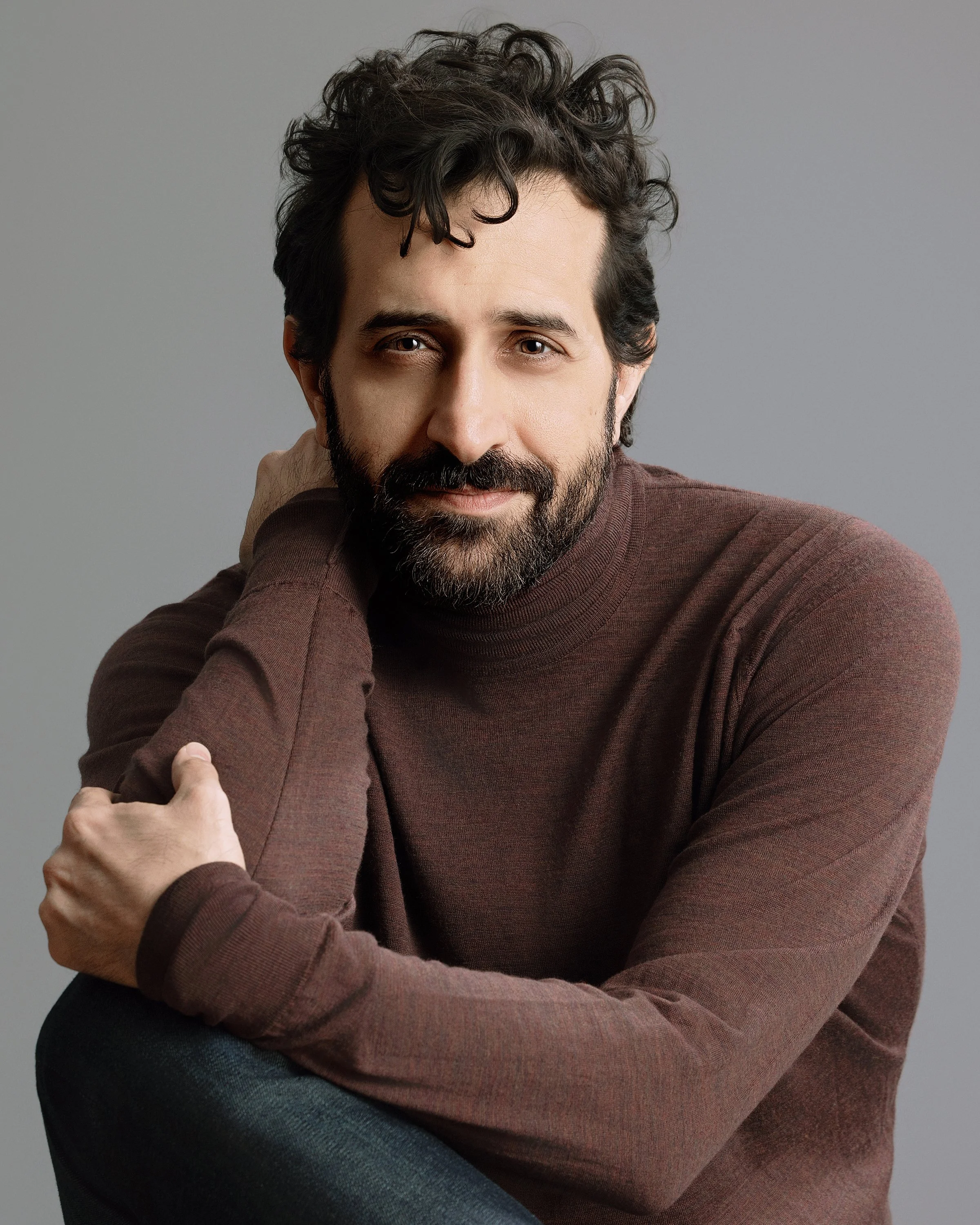
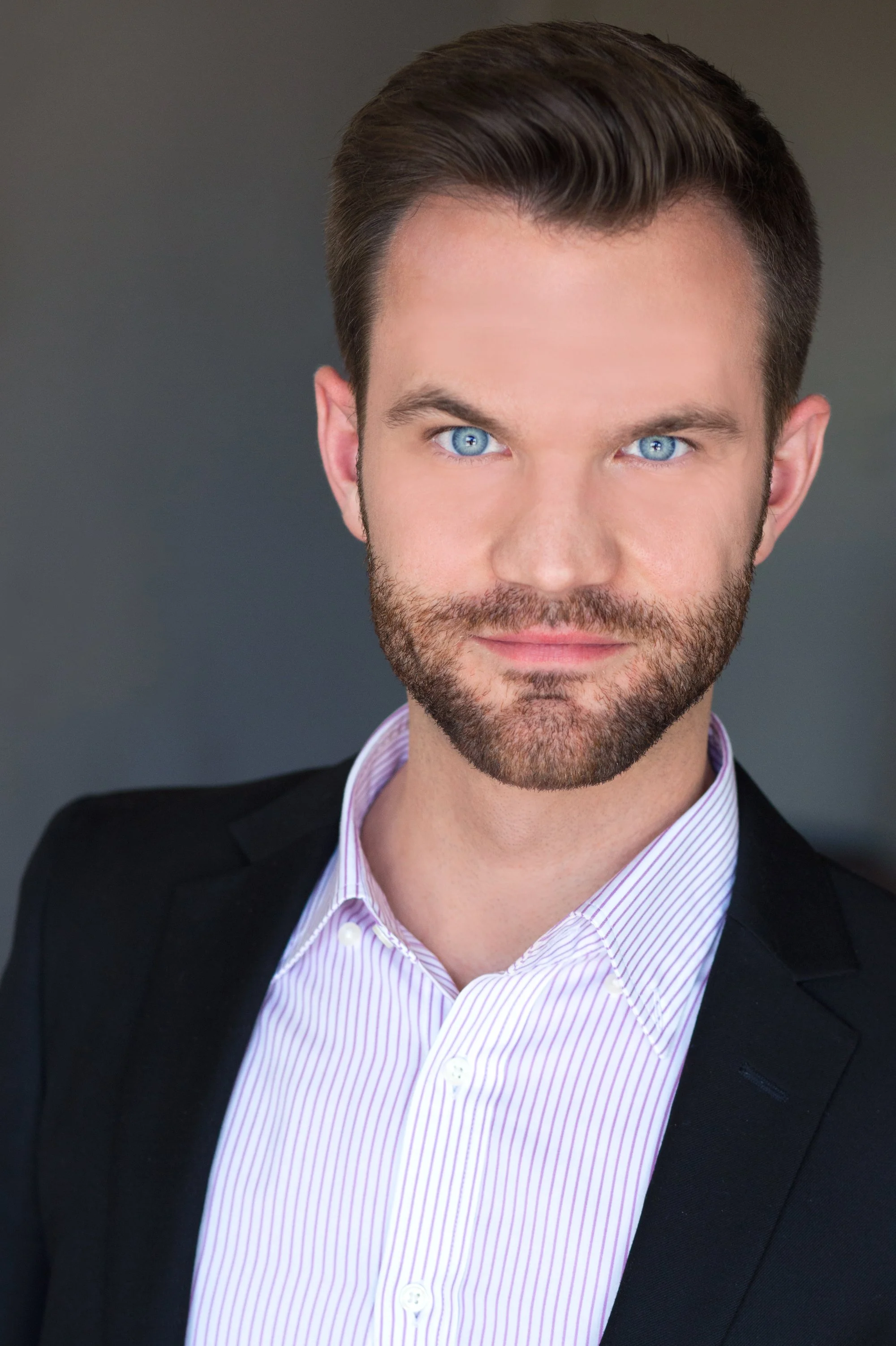
Karim Sulayman°, Orfeo
— underwritten by Dr. Ellen R. Gritz & Mickey D. Rosenau
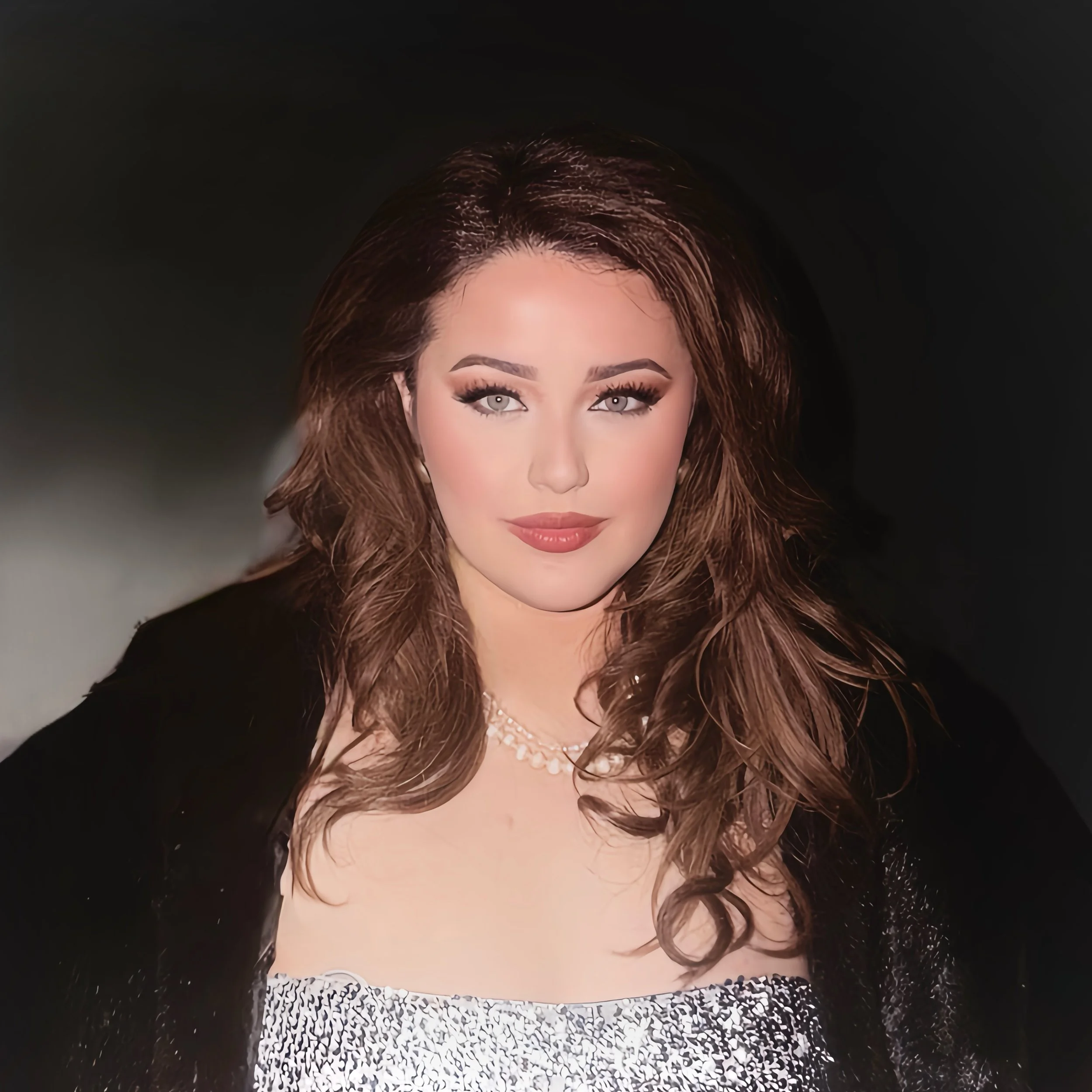
Amia Langer, La Musica/Euridice
— underwritten by Dr. William H. & Teresa C. Reading
Hannah De Priest, Proserpina/Ninfa
— underwritten by Jeanie Flowers
Cecilia Duarte, Messaggera/Speranza
— underwritten by Kathleen Moore & Steve Homer
Enrico Lagasca, Caronte
— underwritten by James Cowan & William Taylor
Tzvi Bat Asherah, Plutone
— underwritten by Helen Wils & Leonard Goldstein
Nicholas Garza, Pastore
— underwritten by Diana Davis & Andrew Blocha
Thomas O’Neill, Pastore 1, Spirito 2, Apollo
— underwritten by Jeanie Flowers
Steven Brennfleck, Pastore 2, Spirito 1, Eco
— underwritten by Wil McCorquodale & Mark Hitt
Grace Roman°, cover for La Musica/Euridice
Julia Cecilia Starr°, cover for Ninfa/Proserpina
Johnny Salvesen°, cover for Caronte/Plutone
° Ars Lyrica debut
Production Team:
Catherine Turocy, stage director & choreographer
Matthew Dirst, music director
Ryan McGettigan, set designer/projections
Riana Canetti-Rios, lighting designer
Shean Heath & Mary Webber, costume designers
Julius Sanchez, stage manager
Explore the full 2025/26 season here.







-
A regal Toccata sets the stage for Music (La Musica), who addresses the audience in a Prologue. With courtly flattery and a bit of necessary context, she introduces the great musician Orpheus, “who with his singing drew to him wild beasts.” In her final stanza, Music admonishes all present to savor what follows, a tale with “songs both happy and sad.”
In Act I shepherds and nymphs celebrate the marriage of Orpheus and Eurydice while invoking Hymen (God of Marriage) and the Muses in joyous songs and dances. At their request, Orpheus takes up his lyre and offers an ode to the sun. The wedding guests respond with a prayer of thanksgiving to the gods.
Act II opens with Orpheus and his companions commending their idyllic Eden, a place where “gracious nymphs gather roses” amid “scented breezes.” In a lively solo, Orpheus recounts his long journey from loneliness into love, only to be interrupted by the Messenger’s unwelcome news: Eurydice has died from a poisonous snake bite. Though momentarily stunned, Orpheus vows to win her back from the Underworld. The chorus of nymphs and shepherds amplify his grief in a doleful lament.
Intermission
With Hope (Speranza) guiding the way, Orpheus arrives at the top of Act III at Hades’ gloomy gates. Henceforth he must rely solely on his powers of persuasion. But the boatman Charon (Caronte) refuses to ferry any living soul across the river Styx. Orpheus’s response, an eloquent plea enveloped in fancy embellishment, lulls Charon to sleep. Armed with his trusty lyre, Orpheus continues into hell.
Moved by Orpheus’s song, Proserpina convinces her husband Pluto to release Eurydice. Though for a moment “pity and love triumph,” Act IV continues with Orpheus’s fateful journey out of the Underworld, during which he imagines the Furies plotting against him. Breaking Pluto’s command, he turns around only to see Eurydice vanishing into the shadows. The eerie spirits deliver the moral: Orpheus is “conquered by his own emotions.”
Act V returns Orpheus to the Gardens of Thrace, where he searches in vain for comfort—only Echo replies. Apollo magically appears, to remind his beloved son that nothing on earth lasts forever. As they take their place with the immortals, the chorus reminds us that “he who has suffered hell is filled with heaven’s grace.”
-
Working with the Mantuan court poet Alessandro Striggio, Claudio Monteverdi created Orfeo for Carnival celebrations at the ducal palace in early 1607. The Gonzaga, the resident royal family in Mantua, had long supported dramatic entertainment and were no strangers to this story: a century earlier their ancestors had staged Angelo Poliziano’s La favola di Orfeo, which mingled spoken dialogue with song. Commissioning Striggio and Monteverdi to turn myth into music, Duke Vincenzo Gonzaga underwrote the first operatic masterpiece.
The story, of Greek origin and as retold by the Roman poets Virgil and Ovid, seems to have been invented with opera in mind: “Orpheus with his lute made trees/And the mountain tops that freeze/Bow themselves, when he did sing,” as Shakespeare put it. Little wonder that Euridice (1600), the earliest surviving opera, also treats this allegory on the power of music. With music by Jacopo Peri and libretto by Ottavio Rinuccini, Euridice was but one of multiple entertainments offered in Florence during the wedding celebrations for Henry IV of France and Maria de Medici. It showed the potential of the new stile rappresentativo, in which speech-like melody projected over simple harmonies heightens the rhetorical delivery of a text. Of similar dimensions and scope, its five scenes are roughly analogous to the five acts of Orfeo, leading many to regard Monteverdi’s opera as a response to the earlier work.
Perhaps the most significant innovation in Orfeo is its greater number of songs (arias). In setting Striggio’s limpid verse, Monteverdi endowed solos and choruses alike with catchy tunes while employing flexible musical dialogue (recitative) to advance the action. The latter texture, opera’s central innovation, retained its usefulness for two hundred years (through Rossini), although arias gradually acquired such significance that audiences routinely ignored everything else. Orpheus’s most memorable arias illustrate the sheer range of Monteverdi’s dramatic gifts: the infectious rhythms and melody of “Vi ricorda ò bosch’ombrosi” in Act II (“Remember, O Shady Woods”) projects unbridled joy at the wedding festivities, while the heroically decorative “Possente spirto” (“O Powerful Spirit”) in Act III creates an otherworldly atmosphere for the Underworld.
First published in 1609, this favolain musica (a fable or story in music) has long stood at the head of the operatic repertory. Unusually for its time, Orfeo is scored for a highly specific mix of early wind, string, and continuo instruments. Though the Mantuan court spent lavishly on the orchestra, the initial production seems to have been a modest affair, one constrained by a small (likely non-theatrical) space. Monteverdi had perhaps a dozen singers at his disposal, with some doubling of the smaller roles as was common then. In these respects, our production aims to reproduce what this epochal opera’s first audiences likely heard.
© Matthew Dirst
-
Monteverdi’s Orfeo was revived in Paris in the early 20th century, thanks to an edition prepared by composer Vincent d’Indy comprising Act II and shortened Acts III and IV. Using this edition, the first public performance of the work in over 200 years took place at d’Indy’s Schola Cantorum, in a concert version on February 25, 1904. The writer Romain Rolland described the opera as being restored “to the beauty it once had, freeing it from the clumsy restorations which have disfigured it.” The first modern staged performance took place at the Théâtre Réjane in Paris, on May 2, 1911. More performances of the work followed in Italy, the US and England before and after World War I, including a premiere at the Metropolitan Opera in 1912.
These revivals heralded a 20th-century early music “movement” that also included Wanda Landowska’s advocacy of the harpsichord and a major reevaluation of Bach’s music. Costume designer Leon Bakst brought forth boldly exotic and ancient chitons for Diaghilev’s Ballet Russe, and dancer Isadora Duncan became a sensation, liberating women with free and natural dance in draped Grecian chitons designed for an uncorseted body. This era, which gave birth to Expressionism in art and design, provides the context for our production of Orfeo.
This production operates on two levels, with Orpheus reimagined as a hero/soldier. War, poverty and death are reflected in initial costume and set designs inspired by the early 20th century. But our hero/soldier escapes to Antiquity, which prized beauty and order. The costumes and dance for this second level are inspired by the Greek revival in art from 1900–1920. We’ve created a dedicated space for the hero/soldier’s dream-like vision of the myth, in which he sees himself as Orpheus and his lover as Eurydice. This functions as a set within a set—an alternative existence within the context of war. The dancers are a part of his Greek imaginings, both as pastoral folk and as shades and furies.
This production thus examines the place of art during war. When soldiers were in trenches for extended periods during World War I, they drew pictures and wrote poetry; some even carved designs on artillery shells. In World War II, when my father was a prisoner of war in Buchenwald, he was allowed access to the library where he read music scores so that he could hear in his head concertos and symphonies. Music saved his sanity amidst the unimaginable. This special power of art lies at the heart of Monteverdi’s Orfeo: though Orpheus cannot escape his tragedy on earth, he is transformed in death and joins Eurydice in the cosmic universe, finding eternal happiness. His music carries him.
© Catherine Turocy
Post-Opera Soirée
When: May 30, 2026
Where: Diana American Grill, upstairs at The Hobby Center for the Performing Arts.


